

Why Young People Leave the Church (Part 2)
Recently, I was part of a research project on young church leavers to understand when and why they left.
In this second phase of the project, we conducted qualitative research by interviewing six young people who had left the church. It was a privilege to have these young people speak to us openly and honestly.
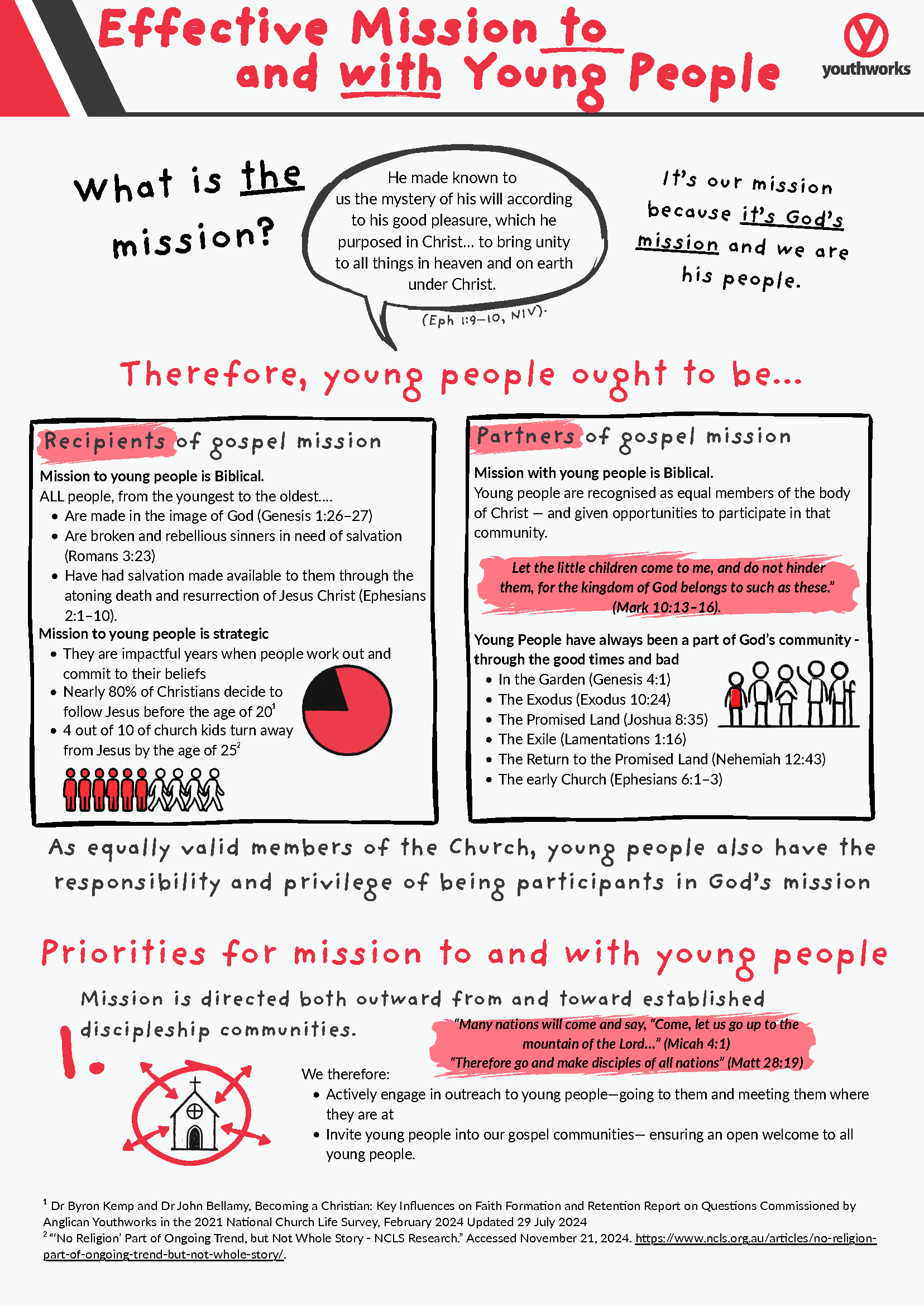
Where does mission fit in your youth or kids’ ministry? A practical planning guide
For most of the last decade, Youthworks has been developing and communicating The 7 Principles of Effective Ministry to Children and Youth. During this time, one of the key priorities at Youthworks has been to ‘See young people coming to genuine faith in Christ’. Part of effective ministry to young people is Mission.
Introducing the Effective mission to and with young people planning guide!
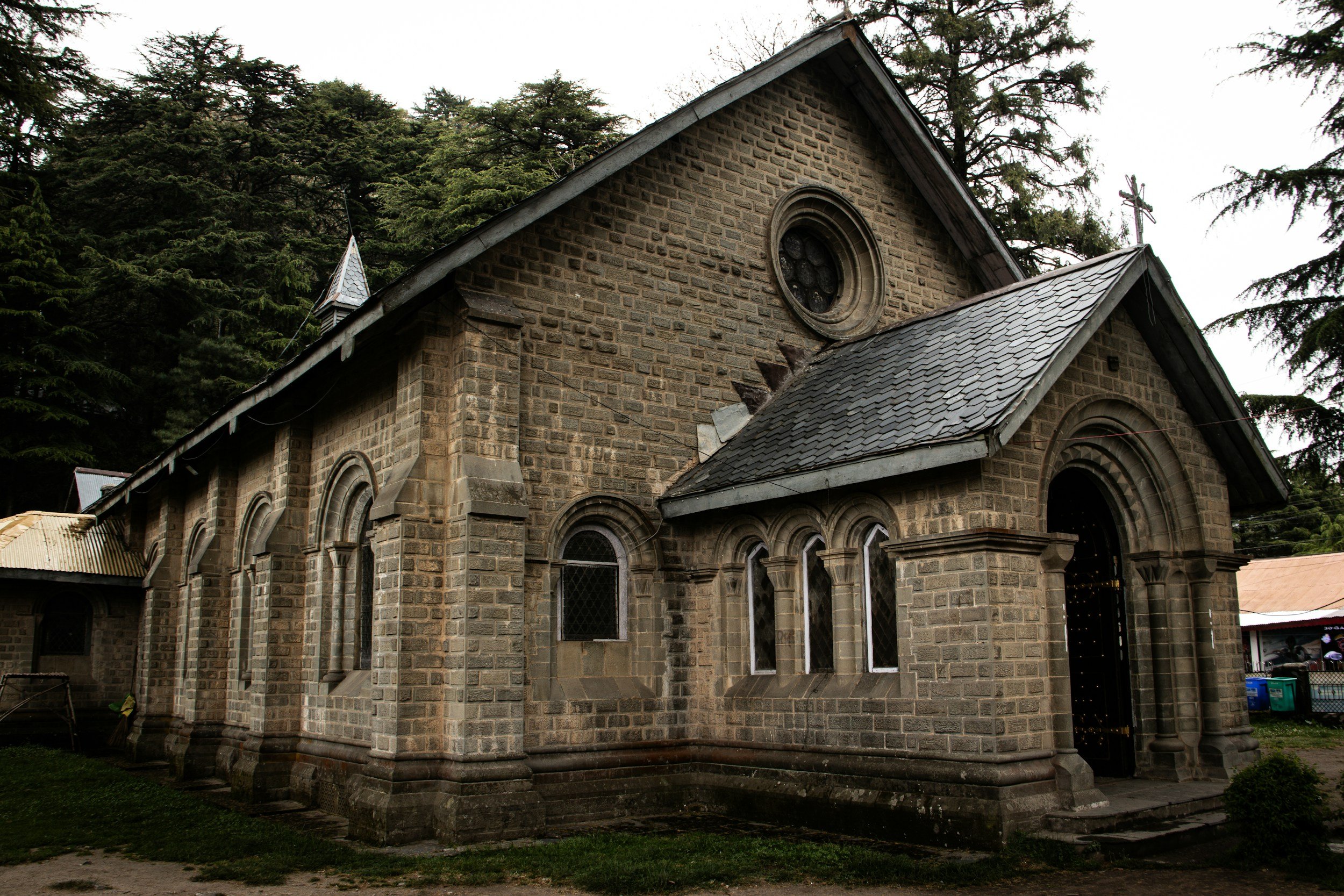
Big theology for kids — The church kids belong to
Ask a group of children what ’church’ is, and you will most likely hear a version of the same answer: a building with a cross on it, or the thing that happens on Sunday morning, or "the place I go to Sunday School."
The picture of church a child carries shapes whether they see themselves as members of a family or spectators at an event, whether Sunday feels like their community or a program, and whether they feel they belong once nobody is making them turn up.

This article has been written by AI
It seems like every second conversation I have revolves around A.I. - and in the midst of all of these conversations, I’m making decisions (often internally, or intuitively) about whether I will use A.I. or not and what tasks or processes I will or won’t use it for.
In youth ministry, where our words matter so much, one important question is ‘What will I (and won’t I) use A.I. for?’
Why Young People Leave the Church (Part 1)
Research consistently shows that disengagement from church is particularly common during adolescence and young adulthood. Church attendance tends to decline between the mid-teen years and age 30, after which attendance patterns become relatively stable.
Recently, I was part of a research project on young church leavers. We examined the data from the 2024/2025 Australian Community Survey to understand when and why they left. Here are some of the key findings.

Do NOT read these books with children and young people
I've spent much of this year teaching and studying the Old Testament prophets, including Isaiah and Micah. Along the way, I've discovered several reasons you probably shouldn't read these prophetic books with children and young people.

Answering tricky questions: Taking them seriously
When children and young people ask questions, we need to take them seriously. These are moments when we can affirm our care for them and help them grow in their faith. Here are some ideas on how to show them that their questions really matter.

Big theology for kids — Teaching heaven well
Ask any group of children what heaven is like, and you will most likely hear a version of the same picture: clouds, a gate, reunions with grandparents, possibly a harp.
The cloud-and-harp account of heaven is not just theologically thin - it also produces theologically thin children. Teaching the biblical account of eternity doesn't require dumbing anything down. It requires recovering what the Bible actually says.
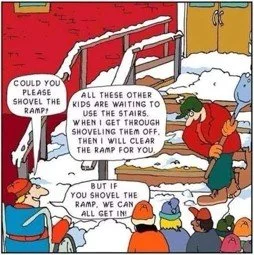
How to involve teenagers with disability in Youth Ministry
It’s Friday night and youth group is about to start. The chairs are arranged, the tech is all set up with a welcome message on the big screen, and your leaders have prayed and are ready for the teenagers to arrive.
How would you make the night work for everyone present, including teenagers with different disabilities?

Navigating technology
Technological innovations such as A.I. always come with their benefits and disadvantages.
Here are some questions and a tetrad to help you evaluate technology with reference to God’s purpose for creation from “the garden to the [heavenly] city”. The decisive question for using this tetrad (or any tool) in evaluating the usefulness of technology is: What is the purpose of all creation?

Supporting Deaf People at Church
As I grew from infancy to adolescence, my hearing declined due to several medical issues. I got my first hearing aid when I was 10 years old, which helped me a lot!
I’m keen to share some ideas to help your church accommodate people who are Deaf or hard of hearing in your gatherings and ministries.
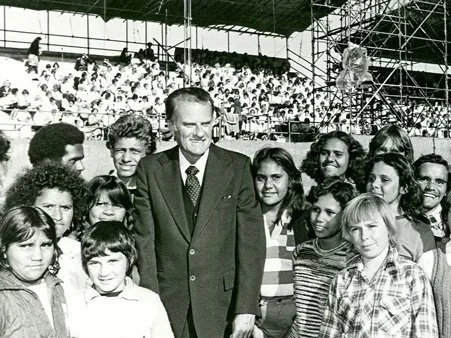
The Billy Graham Crusade was a youth revival
Many call the 1959 Billy Graham Crusade in Australia a revival, but it was not just a revival, it was a youth revival.
Apart from the work of the Spirit, why did the Crusade have such a marked impact upon youth? The gospel message Graham preached - of the sinfulness of people and their need for forgiveness through the death and resurrection of Jesus - was not new.

How to bring Bible stories to life for Under 7s
Engaging preschoolers and children in K-2 can be challenging. They often wiggle, gaze around the room, don’t keep their hands to themselves and generally seem interested in anything but the person up the front. Here are three simple ways to engage these kids well with your Bible stories.

SRE Good News - April 2026
Check out all the SRE Good News from the April edition of our SRE Impact Newsletter.

Three ways to bless your SRE Coordinator
The SRE Coordinator at your church serves SRE teachers and helpers in a multitude of often hidden ways to keep SRE happening in local schools.
Here are three ways to be a blessing to your SRE Coordinator and encourage them along the way.

The fear of the Lord, the heart of ministry
If God appeared to you in a dream and said he would give you whatever you asked in your role as a minister of the gospel, what would you ask for?
Charisma? Better teaching skills? Evangelistic boldness? Creativity in ministry? Or perhaps some of your more pragmatic needs like more money, better spaces, more quality resources and leaders?
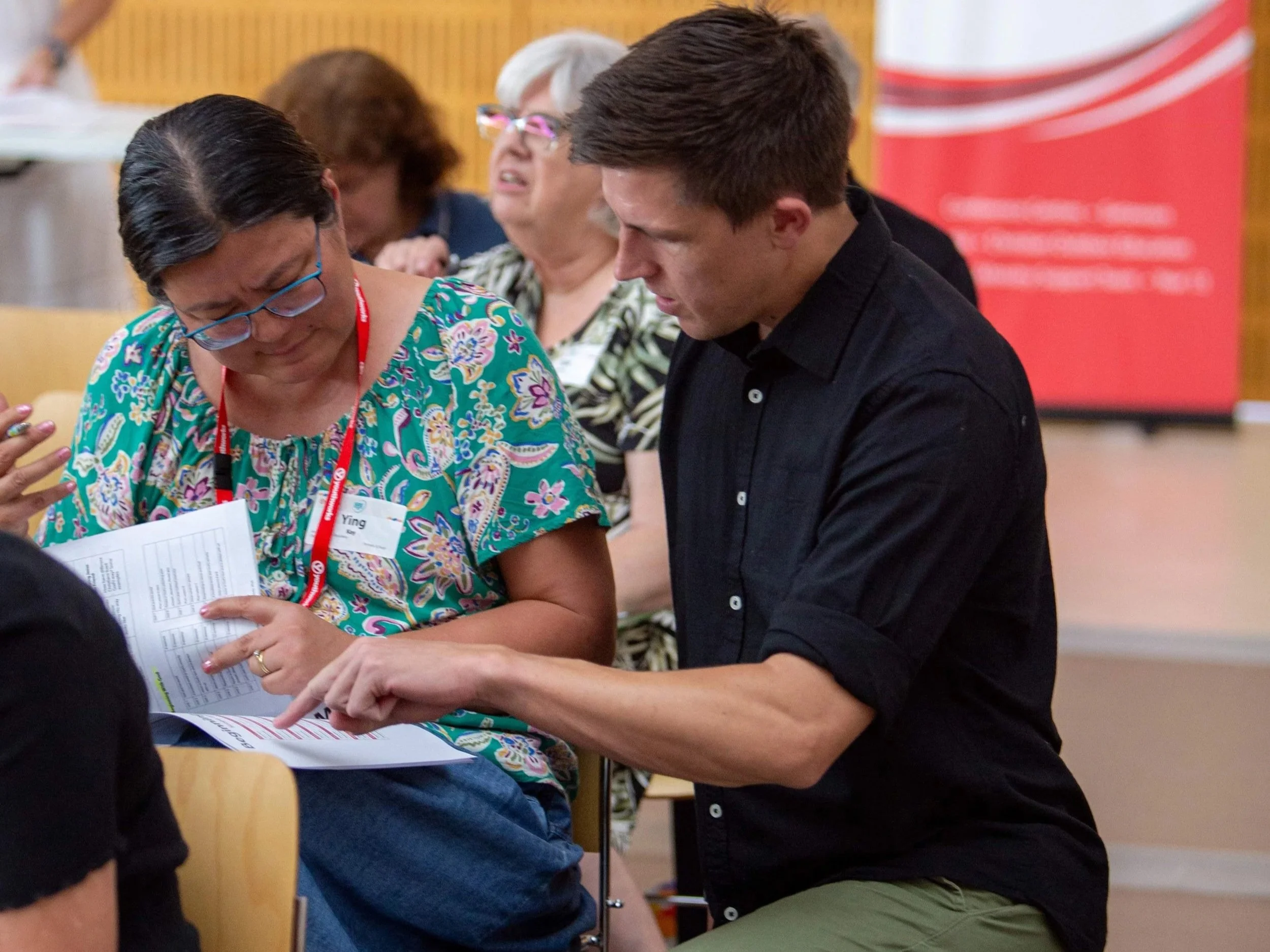
Ministry Culture: Thought, taught, caught
A healthy culture helps us achieve our gospel and discipleship goals. It must be continually nurtured and developed as we heed Paul’s call in Romans 12 to ‘not conform to the pattern of this world, but be transformed by the renewing of your mind.’
Culture is more than a set of behaviours; it reflects our shared identity and values—whether intentionally cultivated or left to grow on its own.
A healthy group culture is thoughtfully considered, taught through example, and then caught by those in your group.
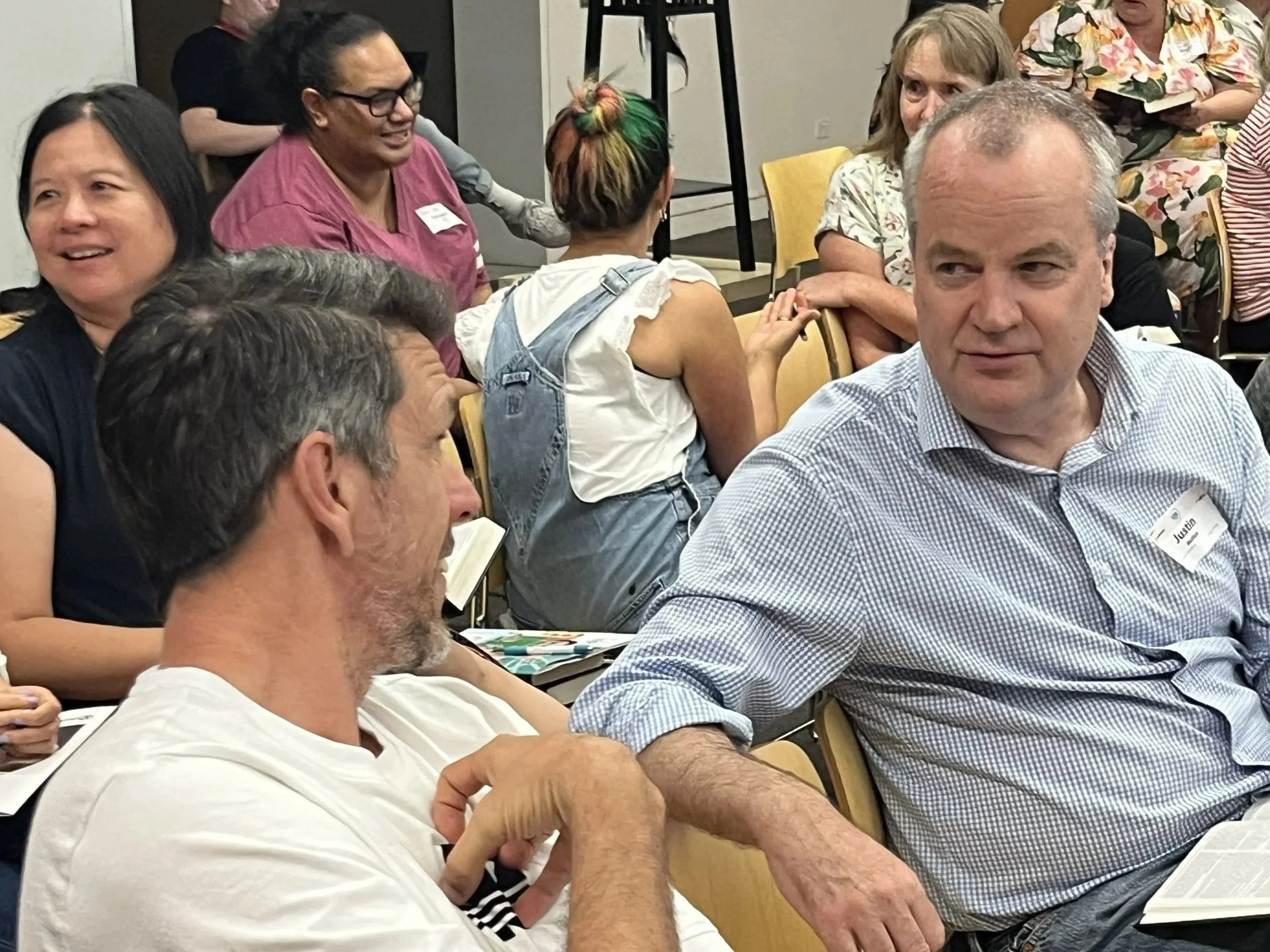
The importance of sharing ‘good news’ stories
Why share good news stories? Because they help people to not only hear how God is at work but to also see God at work.
When we share the good news stories from our ministries, we encourage and strengthen our leaders, promote ministry, invite partnership and build unity.

How God uses people with disability to serve the church
I have a younger brother called Ben, who is kind and caring. He was born with an intellectual disability, Downs Syndrome. Ben enjoys being around people, so his ministry in his church is one of love and care for other people— helping them feel welcome and that they belong.
How can your church recognise the gifts that people with disability contribute and put them to use?

Tips for effective SRE negotiations with schools
As an SRE Coordinator there are many joys to the role – you get to see the impact that SRE is having on students across many classes and often, across many schools. However, there are also aspects of the coordinator role that can be challenging. One of these is negotiating effectively with schools, especially when they propose scheduling changes.