
How God uses people with disability to serve the church
I have a younger brother called Ben, who is kind and caring. He enjoys being around people and can have a remarkable way of knowing when someone needs some emotional support. Ben has Downs Syndrome — an intellectual disability that he was born with that affects cognitive development and has recognisable physical attributes that also impact his development.
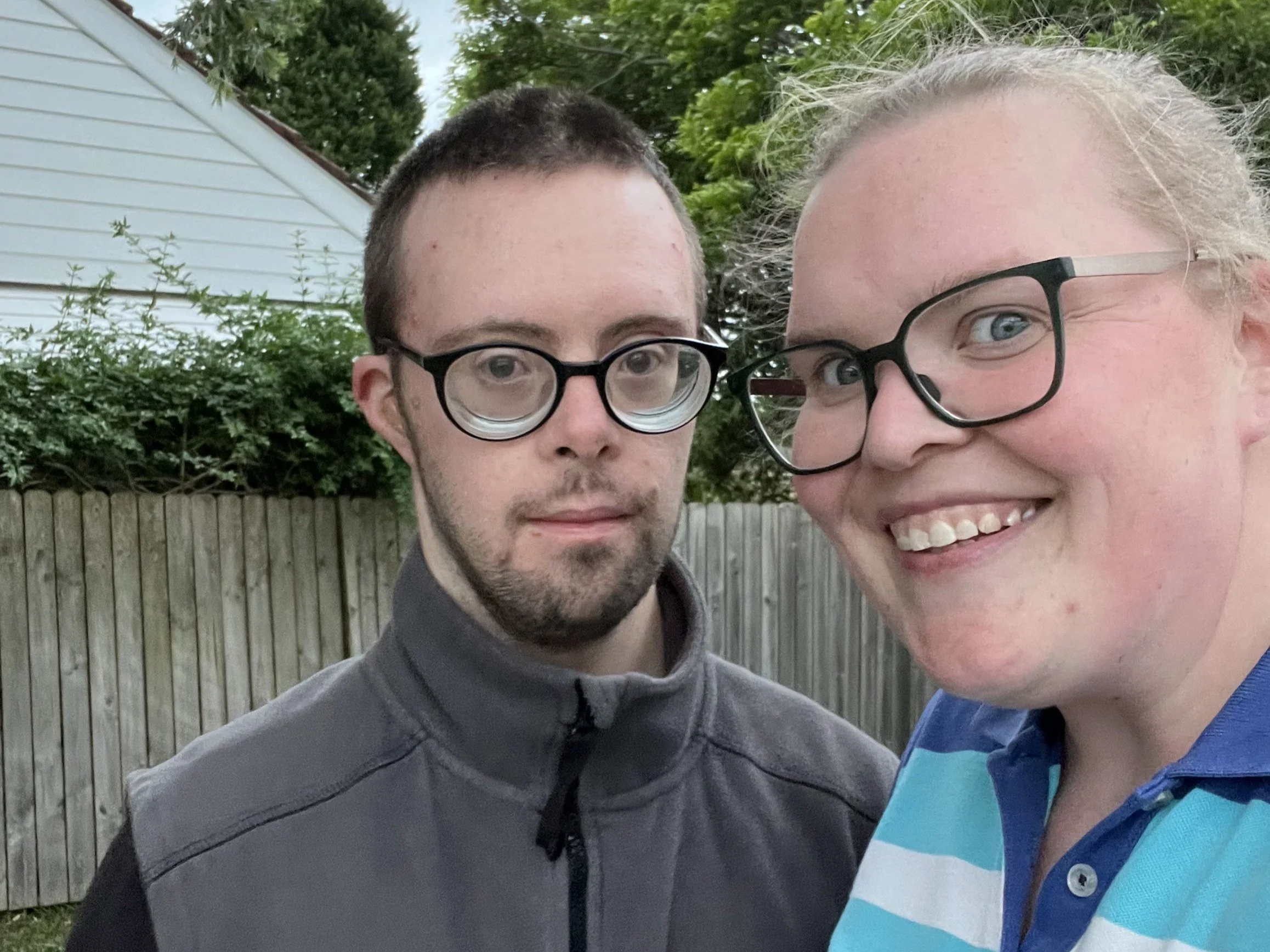
Recently, Ben moved to Broome to live with another of my brothers. Ben had gone through a lot of tough life changes, and we wondered if moving into a full household —pets included— would have a positive impact on his livelihood. It’s an adjustment, but there are lots of wonderful things Ben has been able to be a part of and thrive in.
One significant way that Ben has been able to thrive in Broome is his service in ministry in the local church. He greets people with hugs or holds their hand during the church service. Many people make a beeline to sit with Ben, or comment that Ben’s love and care is just what they needed. Ben doesn’t talk much, but he has a profound impact on the lives of the people he comes across because he has an awareness of other people’s needs.
Ben doesn’t need to have a formal role where he is up the front and leading the congregation to be part of an effective ministry. Nor does he need to have particular skills in helping on the sound desk or the morning tea roster. Ben’s ministry is one of love and care for other people— helping them feel welcome and that they belong.
Paul writes in 1 Corinthians 12 –
21 The eye cannot say to the hand, “I don’t need you!” And the head cannot say to the feet, “I don’t need you!” 22 On the contrary, those parts of the body that seem to be weaker are indispensable, 23 and the parts that we think are less honourable we treat with special honour. And the parts that are unpresentable are treated with special modesty, 24 while our presentable parts need no special treatment. But God has put the body together, giving greater honour to the parts that lacked it, 25 so that there should be no division in the body, but that its parts should have equal concern for each other. 26 If one part suffers, every part suffers with it; if one part is honoured, every part rejoices with it.
One might look at Ben and think that he has nothing to contribute to the gathering of church. It might be nice he’s there and that’s all he could be known for. But that’s not what we read in Paul’s letter — he says that those we think are less honourable or seem to be weaker are given greater honour. People with disability need a bigger profile and support in the church! We cannot say to any person in the church “we don’t need you”. We need all people — especially those with disability. They will have something to contribute to the life of the church, so it is important to give space for those contributions to the church body to be known and appreciated.
So, how can your church recognise the gifts that people with disability contribute and put them to use? What are ways that we can enable all parts of the body to function as God designed them to?
Firstly, it is about observing people with disability and noticing how God is using them. What are the skills and attributes they have that can be integrated into the life of the church?
· Are they artistic and can design artwork for a ministry (such as the term theme, prayer bookmarks, or visuals for the teaching)?
· Do they love talking to new people (able to go on the welcome roster, sign people in, introduced to a newcomer)?
· Do they love to sing (be on the stage while singing with a prop)?
· Are they quiet and patient (can sit with people, help people regulate, show patient dependence on God)?
The gifts that shine out of a person with disability can be used to edify the church and to communicate the gospel more powerfully.
Secondly, it is about giving them a go and seeing where they could thrive. We want church to be a space where we are gathered as a family and participating together, rather than sitting through and observing a performance.
· Can service elements such as Bible reading and prayer be done in tandem with another church member?
· Can someone be asked to lend a hand distributing papers in a service or meeting?
· Can they be involved in passing out communion?
· Are they given space to just be present with people and appreciated?
This might involve thinking a bit outside the box, as well as patience from the whole church body to allow for someone to thrive in a new area of service and ministry.
Much of this involves us all being able to slow down and notice a person with disability and how God has made them. God uses all things for his good, and he is at work in all things. God has made all people in his image and has given each person a purpose. If we can spend time with those who might seem like they’re not contributing anything, we may actually discover that they are contributing a lot more than we realised.
Ben is a much-loved and valued member of his new church in Broome, and I look forward to hearing more about his impact in the body of Christ. Who in your church can you thank God for and highlight their ministry or give space and opportunity to?
